
Walk into any underheated business and you’ll hear the same thing: “We bought what the supplier recommended.” But here’s the truth no brochure will tell you: Heating isn’t one-size-fits-all. The magic happens when you match the system to the actual problem. That’s why understanding real commercial heater applications can guide smarter investment decisions.
We’ve worked with distributors, facility managers, and installers across Europe and the Balkans—this blog pulls insights directly from the field. Expect real results, heater breakdowns, and use cases that’ll help you see the big picture. Let’s break down how smart businesses choose.
Restaurants: Solis or DSR? Depends Where the Chill Hits
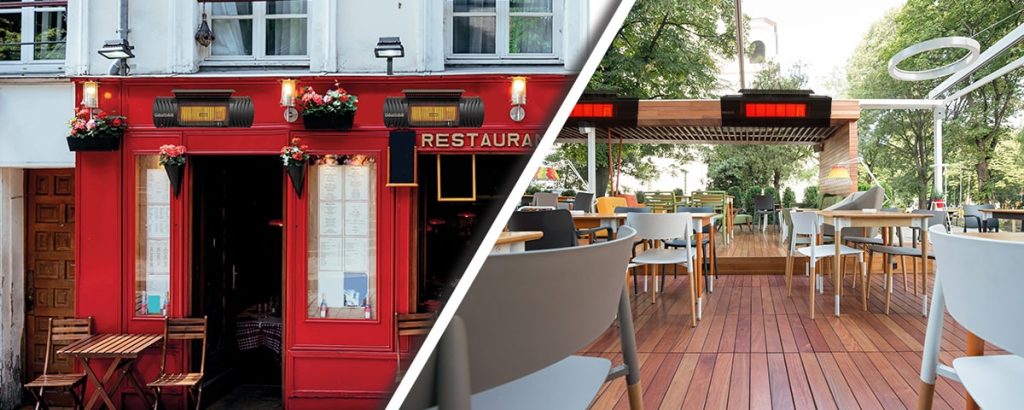
Restaurants increasingly rely on outdoor seating, but once temperatures dip, seats sit empty—unless infrared heat enters the scene. Our ceramic heaters are compact and wall- or ceiling-mountable. They emit direct radiant heat, warming people and surfaces (not the air).
commercial heater applications preference
- The Quick Fix: Solis Electric
When to choose it:- Tight spaces near doors
- Temporary seasonal extensions
- Where gas lines aren’t feasible
- The Steady Solution:DSR Ceramic Radiant
When it shines:- Permanent covered patios
- High-wind exposure areas
- Where mounting height is available
“We tried portable units first – noisy and tripping hazards. Switched to wall-mounted DSRs and finally solved our patio puzzle.”
🟡 Want to learn more? Check out Outdoor Heater Winter Performance and Safe Distances for Patio Heaters
Coffee Shops: Why Some Pick Solis, Others Swear By DSR
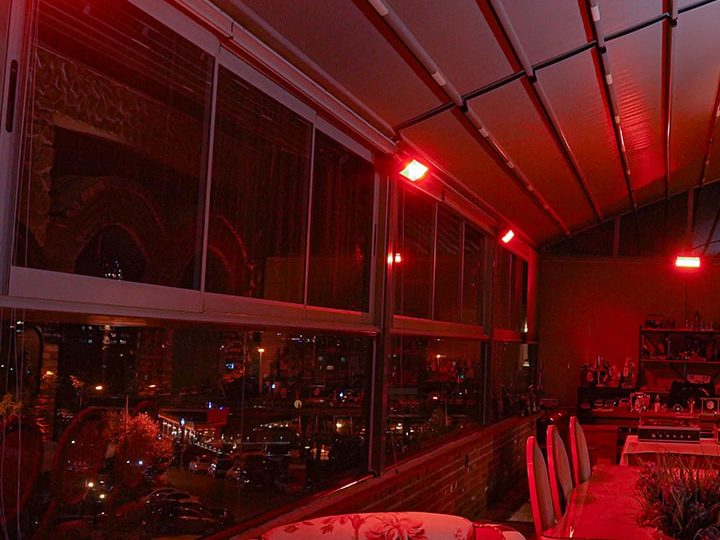
Coffee shops often operate in tighter outdoor zones—balconies, sidewalks, etc.—and need fast, safe, and silent heating.

commercial heater applications preferences
- Solis Electric Advantage:
- Zero clearance needs for tight sidewalks
- Instant “on-demand” warmth during rushes
- Simple plug-and-play installation
- DSR Ceramic Advantage:
- Lower long-term costs for daily use
- Better coverage under fixed awnings
- No visible glow disrupting ambiance
Barista’s note: “Solis gets our doorway queue moving. DSR keeps the corner regulars happy.”
Explore related design tips here: Outdoor Heating Design Trends
Hotels: Lodos vs. DSR – Two Paths to Guest Comfort
Hotels juggle indoor lobbies, outdoor lounges, and terrace dining.
commercial heater applications preference
- Lodos Gas Unit Heaters Choice:
- Large enclosed spaces (lobbies, ballrooms)
- Integration with existing ductwork
- Where consistent ambient heat is key
- DSR Radiant Choice:
- Open terraces with wind exposure
- Covered walkways and transitional zones
- When targeted “spot” warmth is needed
Maintenance tip: “We use Lodos indoors, DSR outdoors. Each does what the other can’t.”
🧩 For integration tips, see Energy Efficiency in Heaters
Greenhouses: Why Lodos Wins for Steady Growth
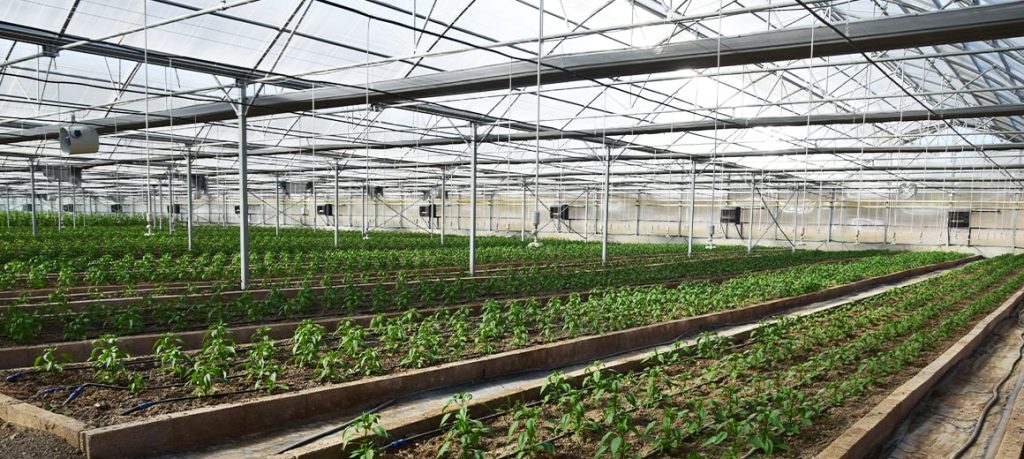

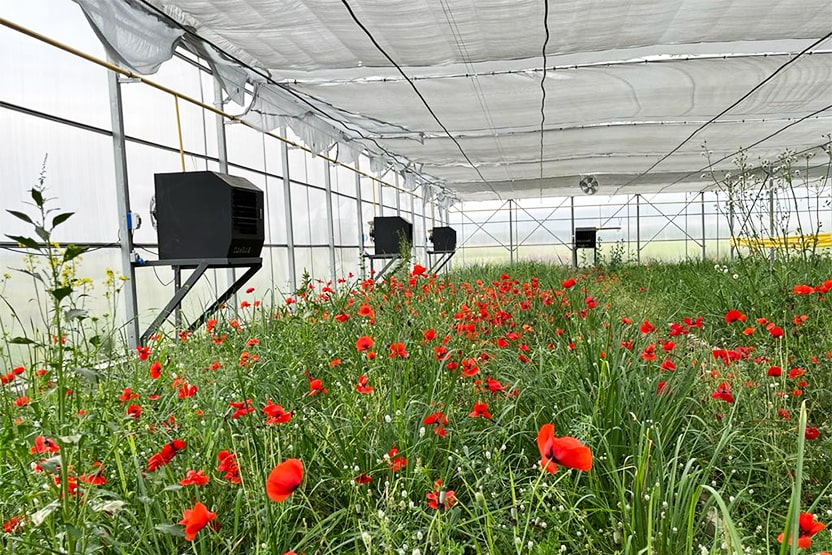
Why growers consistently choose Lodos Gas Units:
- Gentle air circulation prevents microclimates
- Even heat distribution across long benches
- Humidity-friendly operation
“Radiant units dried leaves near the emitters. Lodos gives us uniform warmth without dead zones.”
Don’t miss: Energy-Efficient Greenhouse Heaters
Farms: Radium or DSR? It’s About Zone Control
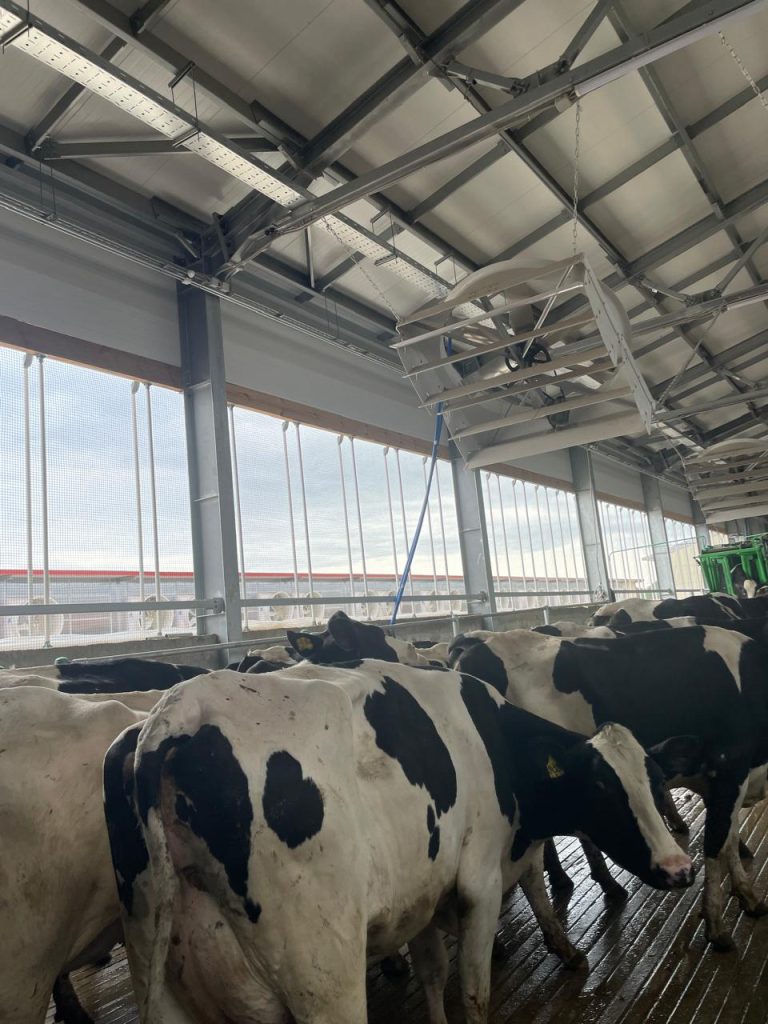
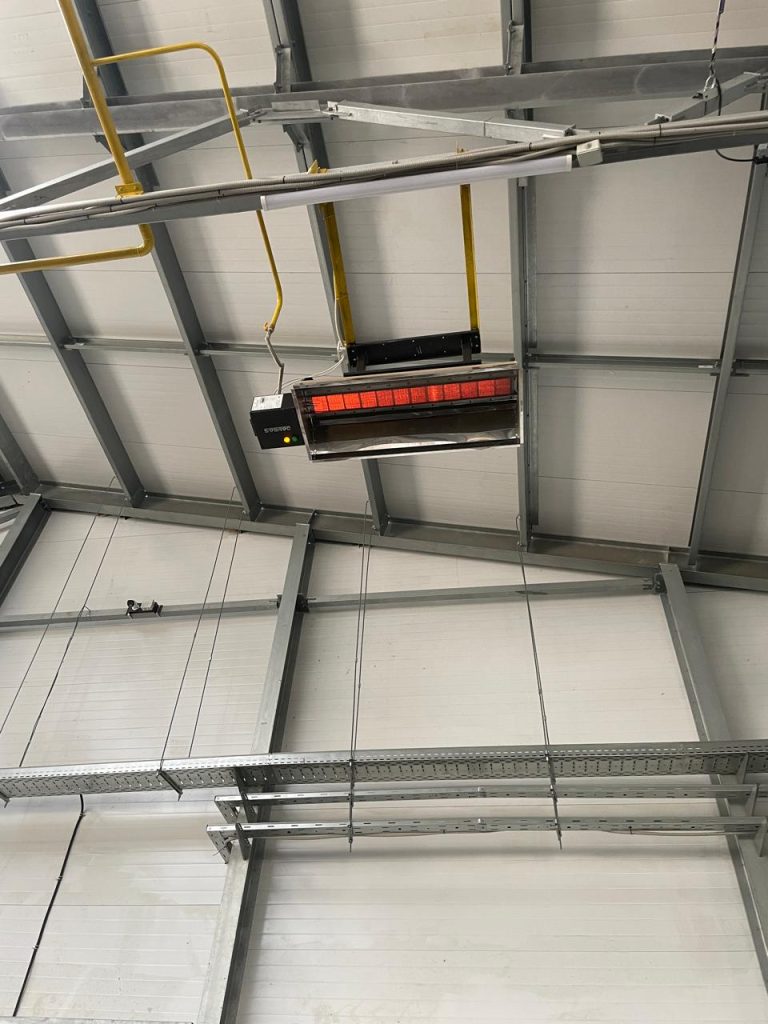
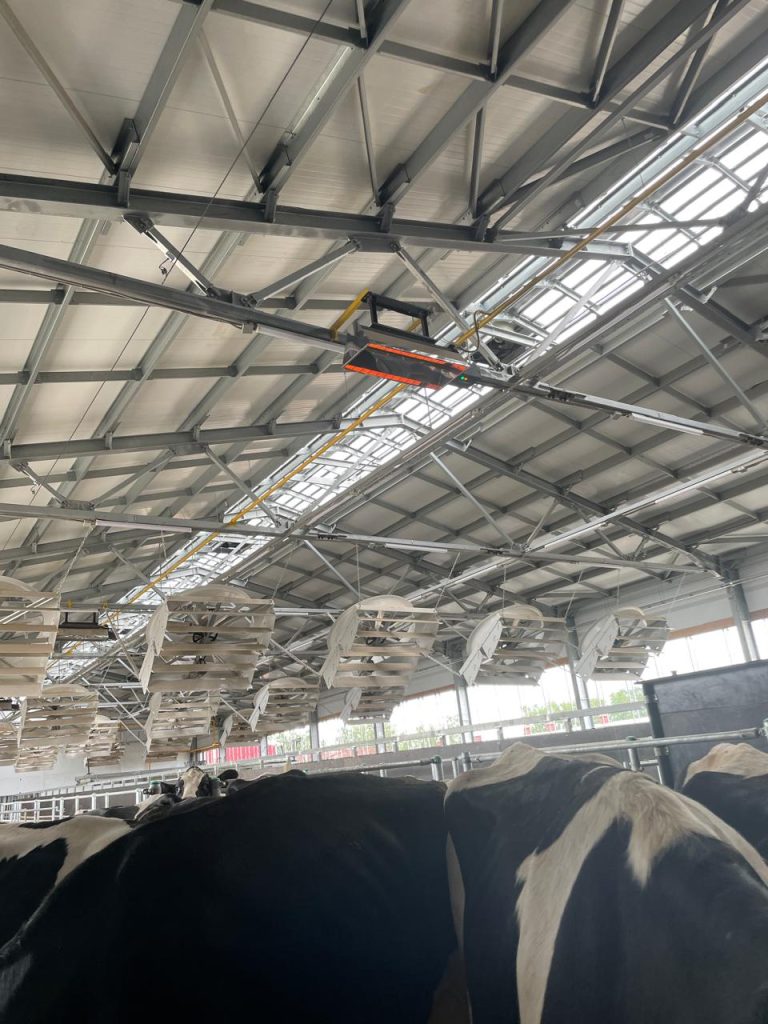
commercial heater applications preference
- Radium Radiant Tube Heaters for:
- High-ceiling barns and machinery sheds
- Broad coverage over animal pens
- Dusty environments where cleanliness matters
- DSR Ceramic for:
- Hatchery brooders and nurseries
- Isolation stalls for sick animals
- Smaller outbuildings
Critical factor: “Tubes cover our main barn. DSRs protect newborns in the nursery.”
Insight: Heating Industry Trends 2025
Malls: The Entrance Equation – DSR or Lodos?
commercial heater applications preference
- DSR Radiant at Entrances:
- Instantly warms people (not air)
- Handles constant door openings
- No blasts of hot air greeting shoppers
- Lodos in Main Concourses:
- Quiet, even background heat
- Integrates with building management
- Efficient for large-volume spaces
Recommended: Understanding the Working Principles of Gas Air Unit Heaters
Facility manager insight: “DSRs fight the Arctic blast at doors. Lodos maintains comfort deeper inside.”
More info: CE Certification for Heating Products
Factories: Why Radium & DSR Solve Different Problems
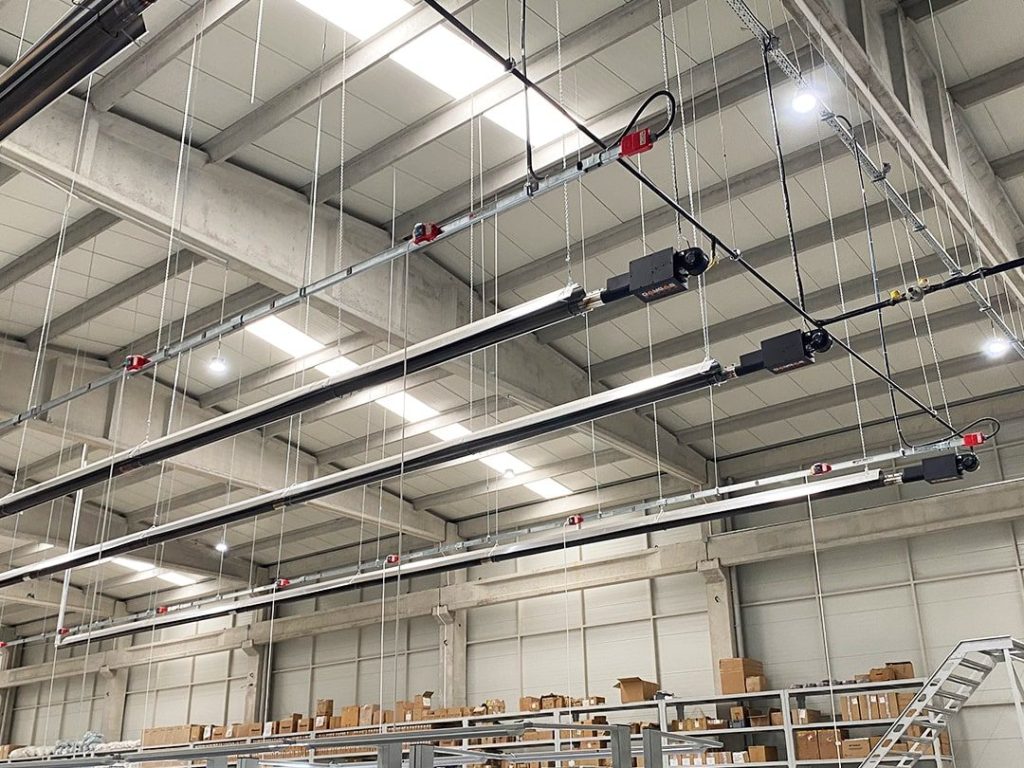
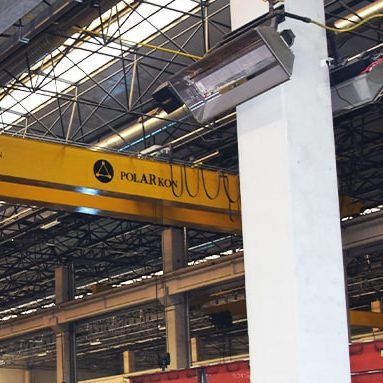
Industrial facilities require robust, low-maintenance systems.
- Radium Radiant Tube Heaters for:
- Assembly lines with high ceilings
- Warehouses with intermittent occupancy
- Zones with heavy machinery emissions
- DSR Ceramic for:
- Workstations where staff stand still
- Quality control labs needing stable temps
- Areas with flammable dust concerns
“Tubes over production, DSRs at packing stations. Trying to swap them caused headaches.”
The Unwritten Rule of Commercial Heating
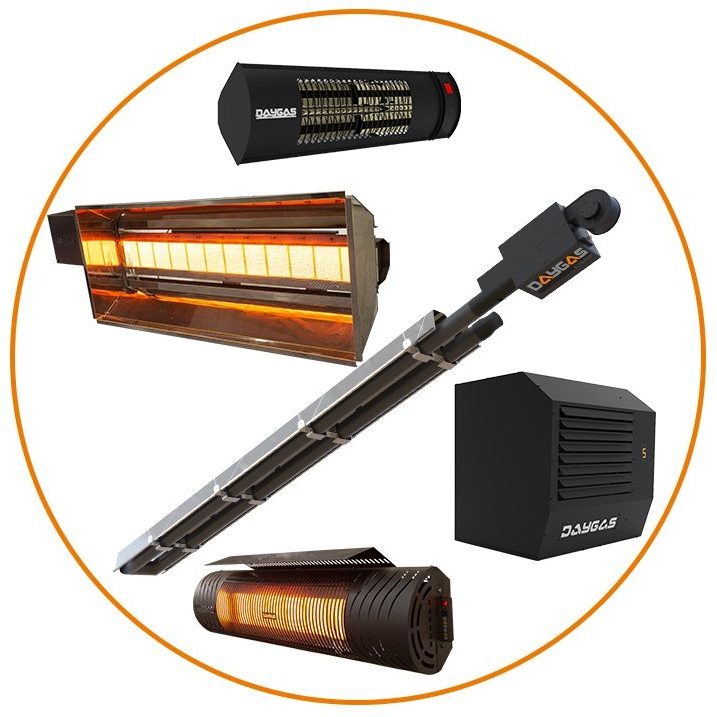
Choose the heater that fights your battle:
- Fighting wind? → Radiant (DSR)
- Warming people quickly? → Electric (Solis)
- Needing whole-space warmth? → Forced air (Lodos)
- Covering vast heights? → Tube systems (Radium)
“Twenty years in this business taught me: The right tool matters more than the brand.”
Your Next Step:
- Compare strengths: Heater Types Guide
- Calculate needs: Energy Efficiency Principles
- Question? 📩 info@daygas.eu | 🌐 https://daygas.eu
Trusted Resources: