
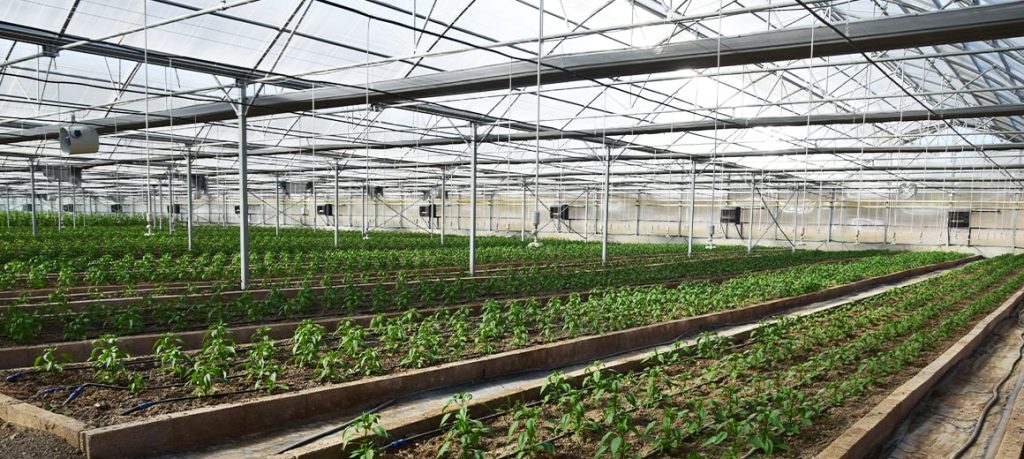
Greenhouses allow for year-round cultivation. However, maintaining optimal temperatures during colder months is crucial for plant health. This guide doesn’t only explores energy-efficient greenhouse heaters. But also strategies and solutions to keep your greenhouse warm while minimizing energy costs.
Are energy-efficient greenhouse heaters really needed?
Greenhouses naturally capture and retain solar energy. But, nighttime temperatures and seasonal drops can still threaten plant health. Here’s how to determine if additional heating is necessary:
When Is Heating Necessary?
Not all greenhouses require constant heating. If your goal is to prevent frost damage, maintaining a minimum of 4°C might suffice. Certain plants, especially tropical or delicate species, need stable temperatures to thrive. For inctance orchids and citrus trees require consistent warmth. For a deeper understanding of heat retention, read our article: What Is a Radiant Heater, How Does It Work?
Extending Your Growing Season with Supplemental Heat
Implementing energy-efficient greenhouse heaters helps you prevent frost damage. In addition to that it also helps maintain healthy crops and start planting earlier. Moreover our article on Advantages of Radiant Heaters offers additional insights on relatedtechnology
At Daygas, we understand that even minimal, well-targeted heating can make a big difference. Our solutions are designed to seamlessly integrate with your existing greenhouse design. Check our energy-efficient greenhouse heaters on our website
Radiant vs. Air Heaters: Which is Best?
Choosing the right energy-efficient greenhouse heaters technology depends on your greenhouse’s size and layout.
How Do Air Heaters Work?
Air heaters warm the ambient air. Therefore it quickly increases the overall temperature. Our Lodos Gas Unit Heater is a powerful choice for large greenhouses. Since it offers fast, energy-efficient heating to prevent sudden temperature drops.
Benefits of Radiant Heaters
Radiant heaters warm objects and surfaces rather than the air, creating a more stable temperature. Our Daygas Ceramic Radiant Heater (DSR Series). Also our Radiant Tube Heaters (Radium) provide gentle, energy-efficient heating for greenhouses. Therefore ensures plants stay warm without excessive energy consumption.
Which one is better?
Both systems have their merits. However the choice depends on your needs:
- Choose air heaters if you need rapid temperature changes.
- Opt for radiant heaters if you prefer consistent warmth and energy efficiency.
Gas vs. Electric: Which Is more energy-efficient for greenhouse heaters ?
The energy source you select affects both efficiency and operational cost:
Pros & Cons of Gas Heaters
✔️ Powerful & Immediate Heat: Gas heaters. Similarly our Lodos Gas Unit Heater quickly raise temperatures. Therefore making them ideal for large greenhouses.
✔️ Lower Running Costs: In areas with affordable gas prices, these heaters are cost-effective.
❌ Ventilation Required: Gas combustion produces CO₂. In additin also moisture, necessitating proper ventilation.
Discover more about gas heating in our post on Gas Radiant Heaters.
Pros & Cons of electric Heaters
✔️ Precise Temperature Control: Electric heaters allow better thermostat regulation.
✔️ Cleaner & Maintenance-Free: Unlike gas, there are no emissions or ventilation concerns.
❌ Higher Energy Costs: Electricity prices vary, making them less cost-effective for large spaces.
For smaller greenhouses, our Solis Electric Heater provides an excellent energy-efficient heating solution. Check out more details here.
The Role of Insulation in Maximizing Heating Efficiency

No heating system can perform optimally without proper insulation. Not even the most energy-efficient greenhouse heaters Insulation reduces heat loss, ensuring that the energy produced by your heater is effectively utilized:
Minimizing Heat Loss
Sealing gaps, replacing damaged panels, and using thermal screens are essential steps. When insulation is optimized, even a modest heating system can maintain a stable environment.
A well-insulated greenhouse reduces the need for excessive heating, thereby lowering costs.
Enhancing Heater Performance
With proper insulation, Our Lodos Gas Unit Air Heater can operate at lower outputs. While also maintaining stable temperatures. As a result energy is saved. Also heating performance is prolonged.
Learn more about how insulation works in tandem with advanced heating. Check our Advantages of Radiant Heaters article.
Conclusion
Successful greenhouse heating requires understanding your needs, choosing the right technology, and ensuring efficient insulation. By combining these general principles. Along with targeted, innovative solutions, you can create an optimal growing environment. Not only during the coldest months. But all year around
At Daygas, our range of products is designed to help you achieve that balance:
- Lodos Gas Unit Heater offers rapid and robust air heating.
- DSR Series Ceramic Radiant Heater and Radiant Tube Heaters (Radium) provide consistent, energy-saving radiant heat.
- Solis Electric Heater delivers precise control for smaller or supplemental applications.
To learn more about these solutions and to find additional practical advice on greenhouse management, visit Daygas.eu and explore our blog section also check who trusted our products in our references.
Energy efficiency is definitely key for greenhouses, especially with rising costs. It’s great to see how different heating options, like radiant tube and ceramic heaters, can be tailored to the specific needs of any setup.