
Heating systems are a core part of nearly every building’s infrastructure—from factories and farms to cafés and logistics hubs. If you’re exploring ways to tap into a high-demand, year-round market, starting a heater distribution business could be your next smart move.
This isn’t just a matter of ordering heaters and selling them. It’s about understanding how heating products work, knowing what buyers need, and building a reliable supply chain. Here’s a grounded, detailed look at how to start and grow a successful heater distribution venture.
Step 1: Understand the Industry Landscape

Before anything else, take a close look at the broader commercial and industrial heating market. The demand for efficient heating is on the rise—especially with energy prices fluctuating and sustainability regulations tightening across Europe.
Some industry drivers to watch:
- The shift toward energy-efficient solutions (Energy Efficiency in Heaters)
- Regional compliance (e.g., CE certification, ErP)
- The rise in outdoor and flexible heating applications (Outdoor Heating Design Trends)
Understanding these factors gives you clarity about what products to carry and what markets to serve.
Step 2: Choose Your Product Range Wisely
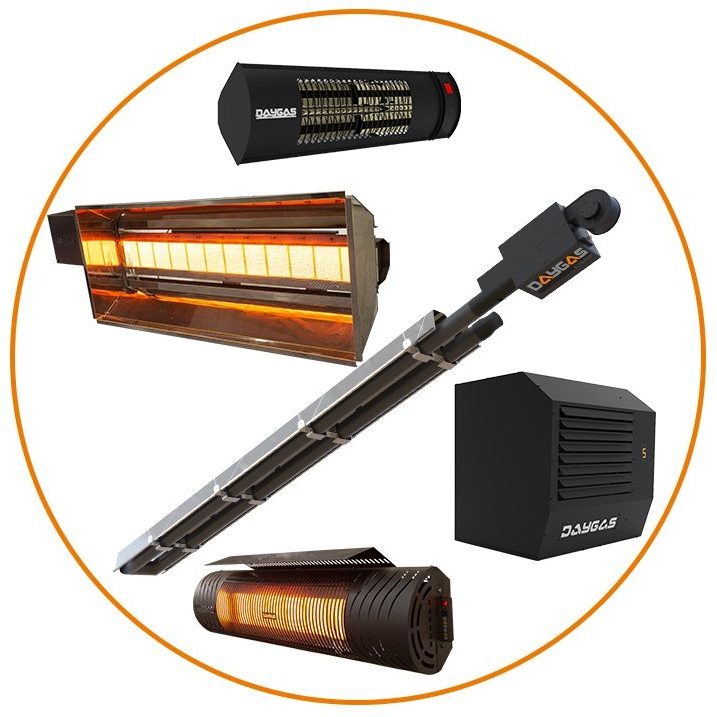
You don’t need to carry every type of heater on the market. A focused, well-curated lineup aligned with demand in your target region is more effective.
Typical heater categories include:
- Gas unit heaters — ideal for large industrial spaces (Lodos Gas Heaters)
- Ceramic radiant heaters — great for targeted, energy-efficient spot heating (DSR Series)
- Radiant tube systems — effective in hangars, garages, and production lines (Radium Systems)
- Electric models — suited for indoor commercial or outdoor hospitality areas (Solis Electric Heaters)
Your product mix should also consider accessories, smart controls, and safety components like waste gas sets.
Step 3: Build Relationships with Reliable Manufacturers
The heart of your heater distribution business will be your manufacturer partnerships. Look for suppliers who offer:

- CE-certified and ErP-compliant systems
- Customizable specs (power, fuel, voltage)
- Strong B2B support (technical docs, training, logistics)
A strong supplier isn’t just a vendor—they’re a growth partner. We explored this in depth in our guide on Heater Manufacturer Partnerships.
Step 4: Take Care of Legal and Logistics Setup
Business structure, licenses, and certifications come next. Depending on your country, this may include:

- Import/export registration
- CE compliance verification
- Safety documentation for customs
- Business insurance and liability coverage
Then you’ll need to organize storage, freight partnerships, and service-level agreements. Even if you’re starting small, planning for scale early makes expansion smoother.
Step 5: Create a Simple, Scalable Sales Strategy
Who are you selling to? Most heater distributors serve a mix of:
- HVAC installers
- Retailers and showroom operators
- Construction companies
- Facility managers
Start by mapping out the sales cycle: discovery → consultation → quote → delivery. Focus on providing clarity. Heating is technical—your clients will appreciate straightforward explanations.
Tip: Develop a quick-reference document that helps you recommend the right heater type depending on room size, building use, and insulation. Blogs like our Heater Types Comparison can help build your knowledge base.
Step 6: Build a Website That Informs, Not Just Sells
A well-organized website is essential. Don’t make it overly flashy. Aim for clear navigation, product specs, downloadable datasheets, and blog content that answers common questions.
Examples of blog topics that build trust:
Educated visitors convert better. Use your content to reduce confusion, not just to push products.
Step 7: Grow Gradually — and Learn Constantly
Starting a heater distribution business isn’t an overnight win. Begin with a pilot region, then expand based on what works.
Keep asking questions:
- Which sectors are ordering most frequently?
- Are there product complaints or delivery delays?
- What are competitors not offering that you can?
Use this learning loop to improve. And don’t overlook seasonal planning—Early Planning for Heating Solutions can help structure your year around peak demand.
Final Thoughts
The heating industry might seem technical, but at its core, it’s about comfort, compliance, and confidence. A well-run heater distribution business solves real problems in real buildings, across industries.
Start small, stay curious, and align yourself with manufacturers who want you to grow.
For more insights, bookmark:
External Resources