
Importing heaters in Europe has become more complex due to strict energy efficiency, safety, and regulatory frameworks. For B2B distributors, engineers, and procurement officers, understanding how to import gas and electric heaters is critical for 2025 compliance. Whether you’re working with ceramic radiant heaters or gas-fired units, every step — from CE marking to customs classification — affects the success of your import.
In this comprehensive guide, we explore each regulation that matters, documentation that customs require, and what every importer must do to bring heaters into European markets legally and efficiently.
Why Importing Heaters into Europe Is Complex in 2025
Europe has tightened import controls on heating equipment due to its ambitious Green Deal and decarbonization goals. This includes stricter product conformity laws, higher energy efficiency thresholds, and technical regulations on NOx emissions, particularly for gas-powered heaters. Navigating this requires full awareness of CE marking, ErP directives, customs HS codes, and national-level differences.

👉 To stay ahead, importers must align with both EU-wide and national standards from day one.
Step-by-Step: How to Import Heaters into Europe
1. Ensure CE Certification from the Manufacturer
Before shipment, every heater must carry a valid CE mark, with supporting documentation (Declaration of Conformity).

What CE certification should include:
- Identification of the heater model
- EU directives it complies with (e.g., Gas Appliance Regulation, EMC Directive)
- Manufacturer details and signature
Daygas ensures all core products — from DSR Ceramic Heaters to accessories — are CE certified, streamlining import for European markets.
🔗 See our full guide on CE Certification & Heating Products
2. Confirm ErP Compliance and Labelling

The ErP Directive mandates minimum efficiency standards and energy labeling for HVAC equipment in Europe.
Import Tip:
Distributors must keep product technical files and ErP labels ready for customs or audits. Equipment like Radium Radiant Tube Heaters already come with up-to-date efficiency documentation.
👉 Explore how ErP affects heater efficiency standards.
3. Understand Customs Classification (HS Codes)
Heaters fall under specific Harmonized System (HS) codes, which determine duties and VAT:
| Heater Type | HS Code |
|---|---|
| Gas Unit Heaters | 732290 |
| Ceramic Radiant Heaters | 732281 |
| Electric Heaters | 851629 |
| Radiant Tube Heaters | 732281 |
Your customs broker must file the correct product classification and origin details. Incorrect codes can lead to shipment seizure.
👉 Compare heater types by function and classification.
4. Check for National-Level Requirements
Beyond EU-wide rules, some countries require:
- Language-specific manuals (e.g., French, German, Dutch)
- Gas pressure conformity reports (e.g., for the Balkans)
- Installation instructions for licensed HVAC installers
For multi-region import, work with a supplier like Daygas familiar with both EU and Balkan region specifics.
5. Plan Logistics & Warehousing
Best Ports for Importing Heaters Into Europe
Ports with HVAC import experience:
- Rotterdam, Netherlands
- Hamburg, Germany
- Piraeus, Greece
- Constanta, Romania (for Balkans)
📍 Choose ports based on volume, region, and customs efficiency.
Optimal Warehouse Conditions for Imported Heaters
Storage must comply with:
- Dry, enclosed conditions (especially for electric heaters)
- Gas heater cylinder ventilation guidelines
- Temperature thresholds per manual
🏭 Improper storage voids warranties — prepare your supply chain.
👉 Know the best way to heat large facilities after import.

Benefits of Importing from a CE-Certified Manufacturer
When sourcing from a trusted manufacturer like Daygas, you save time and avoid regulatory headaches:
- Ready-to-import CE/ErP certified products
- Dedicated distributor support
- Catalogues in multiple EU languages
- Proven efficiency for commercial and industrial needs
📩 For tailored import support, contact us at info@daygas.eu
Documentation Checklist for Importing Heaters Europe-Wide
Importers must retain or request:
- Declaration of Conformity
- CE technical file
- ErP label and datasheet
- HS code classification
- Proof of manufacturer’s compliance
📁 Stay audit-ready with well-organized technical and legal files.
Understanding National Regulations Across the EU & Balkans
While CE/ErP laws apply EU-wide, countries like Romania, Serbia, and Greece have national standards. Examples:
- Natural gas pressure ranges
- Approved installer lists
- Language-specific guides
🌍 Local compliance helps prevent delays and penalties.
👉 Early planning makes compliance simpler across countries.
Navigating Gas Pressure Standards Across Europe
Gas-fired heaters must match local gas types (G20, G25, etc.) and pressure levels. Importers must provide country-specific compatibility charts or reports, especially in regions like the Balkans and Baltics.
🔧 Pre-checking specs reduces installation problems and warranty claims. 👉 Learn how gas compatibility impacts performance.
Language Requirements for Manuals in Imported Heaters
Every imported unit must include:
- Installation manual
- Safety instructions
- User documentation
These must be translated into the official language(s) of the target country.
🗣️ Localized content is both a legal and trust-building requirement.
👉 Safe use starts with localized instructions.
Legal Obligations of Non-EU Heater Manufacturers
Manufacturers outside the EU must:
- Appoint an EU Authorized Representative
- Ensure product compliance
- Provide technical files to importers
- Respond to market surveillance requests
📌 Don’t ignore representation — it’s the gateway to legal sales in Europe.
Working With Notified Bodies for Gas Heater Certification
For gas appliances and some electric models, a Notified Body must verify conformity. This includes:
- Type testing
- Production audits
- Issuing an EU-Type Examination Certificate
✅ This step adds credibility and facilitates customs clearance.
Rebranding Rules for Imported Heaters in Europe
Rebranding (white labeling) requires:
- Updating the Declaration of Conformity with the new brand name
- Changing the manufacturer info on the rating plate
- Ensuring the new brand holds documentation
🆕 Brand owners become legally responsible — plan accordingly.
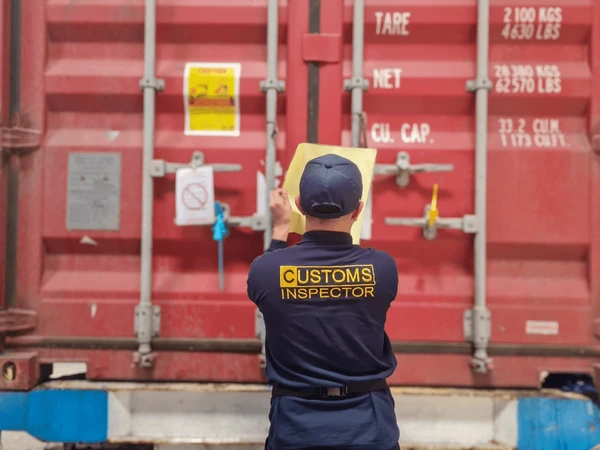
How European Customs Authorities Verify Heater Imports

Upon arrival, customs can:
- Inspect CE/ErP documents
- Request HS classification evidence
- Check marking compliance
- Detain shipments for irregularities
📦 Be transparent and organized to pass these checks smoothly.
Product Markings Required When Importing Heaters
Heaters must bear:
- CE mark
- Model/type number
- Manufacturer/importer name
- Electrical/gas ratings
- Serial number
🏷️ Clear marking = faster customs and stronger customer confidence.
HVAC Logistics Tips for Importing Heaters to Europe
Key logistics tips:
- Use ISPM 15-certified pallets
- Ship documentation separately and digitally
- Ensure goods are accessible for customs checks
🚛 Smart logistics streamline heater delivery to EU markets.
Best Practices After Importing Heaters Into Europe
After clearance:
- Verify product integrity
- Bundle translated documentation
- Maintain traceability logs
- Track warranty activation protocols
🔁 Post-import processes are crucial for safety and legal compliance.
Supplying Heaters for EU Infrastructure Projects
Heaters for schools, hospitals, and transport terminals often require:
- Third-party certification (ISO/EN)
- Minimum energy rating thresholds
- Eco-design labeling
- EU origin documentation preference
🏗️ Public tenders are profitable but demand top-tier compliance.
👉 See why sustainable heating is gaining traction across Europe.
Common Mistakes When Importing Gas Heaters
Mistakes to avoid:
- Wrong burner pressure setting
- Missing NOx emission data
- Incomplete EU-Type Certification
- Lack of installation manual in local language
⚠️ Avoid these pitfalls to ensure legal and safe operation.
👉 Compare gas and electric heater considerations before importing.
Electric Heater Import Mistakes to Avoid
Top errors include:
- Non-compliant voltage labeling
- Lack of EMC testing
- Missing LVD conformity
- No CE mark on casing
⚡ Fix these early to prevent costly delays or product recalls.
👉 Explore if infrared options meet your efficiency needs.
Performance Testing & Reports for Heater Imports
Test results must document:
- Heat output at standard conditions
- Efficiency rate (seasonal and nominal)
- Gas consumption (if applicable)
- Electromagnetic compatibility
🧪 Reports back your claims and supports market trust.
What to Do If Customs Blocks Your Heater Shipment
If a shipment is rejected:
- Request detailed report from customs
- File correction documentation
- Appeal via EU customs resolution pathway
- Notify supplier for replacement/reshipment
📝 Being prepared can turn a setback into a quick recovery.
Sample CE Checklist for Importing Heaters
CE file must include:
- EU Declaration of Conformity
- Risk analysis
- Product drawings
- Technical standards applied
- Notified Body certificates
✔️ Use checklists to ensure zero compliance gaps.
Legal Duties of Heater Distributors After Import
Post-import duties:
- Maintain access to documentation
- Keep sales logs
- Cooperate with surveillance authorities
- Report serious incidents or recalls
🧾 Compliance continues long after customs clearance.
Valuable Certifications When Importing Heaters in Europe
Optional but helpful:
- ISO 9001: Quality Management
- ISO 14001: Environmental Impact
- EN 1020: Gas-fired air heaters
- CE RED, LVD, EMC for electric models
🎖️ Stand out in tenders and partner selections with these credentials.
How Daygas Supports Compliant Heater Imports
Daygas simplifies imports with:
- Fully CE/ErP compliant products
- Complete technical documentation
- Manuals in multiple languages
- Pre-classified HS codes
📦 Contact Daygas to make importing heaters Europe-ready and stress-free.
European Import Partner Support From Daygas
Partners benefit from:
- Dedicated compliance advisors
- Real-time document access
- Brochure bundles and install guides
- Balkan/EU region logistics support
🧭 Our job is to make your import journey frictionless.
Save Money When Importing Heaters Into Europe
Ways to save:
- Consolidated shipments
- Pre-cleared customs documents
- EU warehouse deliveries
- Choose manufacturers offering multi-lingual packaging
💡 Efficiency equals profit in importing heaters Europe consumes.
👉 Consider whether portable or fixed heaters optimize cost.
Final Thoughts on Importing Heaters Into Europe in 2025
The 2025 import environment demands precision. Success requires:
- CE and ErP conformity
- Documentation readiness
- Customs-savvy logistics
- Local compliance partnerships
🔗 Partner with certified, experienced manufacturers like Daygas to streamline the process and enter the EU market without friction.
👉 Stay ahead with trends shaping the heating industry in 2025.
Ready to Import Heaters in 2025?
Distributors across Europe trust Daygas for compliance-ready, high-performance heaters. From product selection to customs support, we simplify every step.
🌐 Explore our product line: www.daygas.eu
📩 Request import support or catalogs: info@daygas.eu
Frequently Asked Questions About Importing Heaters Into Europe ❓
Yes. All gas and electric heaters must have CE marking and a Declaration of Conformity to legally enter the EU market.
You need the CE certificate, ErP label, technical documentation, HS code classification, and an installation manual in the local language.
Only if the heaters are compatible with local gas types (G20, G25, etc.) and pressure levels. Mismatched settings can lead to customs rejection.
The Energy-related Products (ErP) directive sets efficiency and labeling standards for heaters sold in the EU, helping reduce emissions and energy waste.
Yes. Installation and safety manuals must be translated into the official language(s) of each destination country.
Common errors include missing CE marking, incorrect burner settings, lack of local language manuals, and wrong HS code classification.
Customs authorities review CE and ErP documents, verify product labels, and may inspect samples for compliance before releasing the shipment.
Yes. Most heater categories must meet minimum energy efficiency thresholds as outlined in the ErP directive. This applies to both gas and electric models.
Infrared radiant heaters, gas unit heaters, and portable electric models are in high demand due to their energy efficiency and flexible use cases.
Consider local energy costs, environmental regulations, and usage context.
Resources
European Commission – Energy Efficient Buildings
TARIC – EU Customs Tariff Database
CIBSE – Heating Systems & Engineering Guides