
In the ever-evolving world of industrial and commercial heating, the focus is shifting. Businesses no longer want to waste energy warming vast, empty spaces. The priority now is clear: heat people, not places. But to truly achieve this shift, understanding the heat transfer principles behind different systems is essential.
Whether you’re a B2B distributor, importer, or reseller searching for efficient solutions to offer your customers—or simply exploring heating technologies to meet sustainability goals—this guide delivers foundational knowledge and actionable insights.
What Is Heat Transfer?
Heat transfer is the process of moving thermal energy from one object or space to another. There are three primary types of heat transfer:

- Conduction – direct heat flow through solid materials (e.g., touching a hot surface)
- Convection – heat carried by moving air or fluid (e.g., hot air rising in a room)
- Radiation – heat transmitted through electromagnetic waves (e.g., warmth from the sun or an infrared heater)
In heating systems, especially for large spaces like warehouses, factories, or greenhouses, convection and radiation are the most relevant forms of heat transfer.
Convection Heating: Traditional But Less Targeted
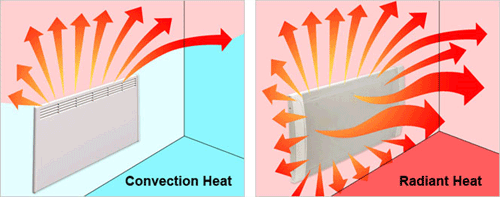
Convection heating is the most common method used in traditional systems. These heaters warm the air, which then rises and circulates.
How Convection Works:

- Air is heated by a flame or element.
- Warm air rises and displaces cooler air.
- A consistent temperature is reached after the air circulates.
While effective in small, sealed environments, convection is:
- Slow to deliver warmth
- Energy inefficient in open or large spaces
- Prone to heat loss due to air movement and draft
📖 Learn more about air-based systems in our Understanding the Working Principles of Gas Air Unit Heaters blog.
Radiant Heating: The Key to Targeted Efficiency
Radiant heaters use infrared radiation to directly warm people and objects—just like the sun. This eliminates the energy loss associated with heating air.
Why Radiant Heating Works for B2B:
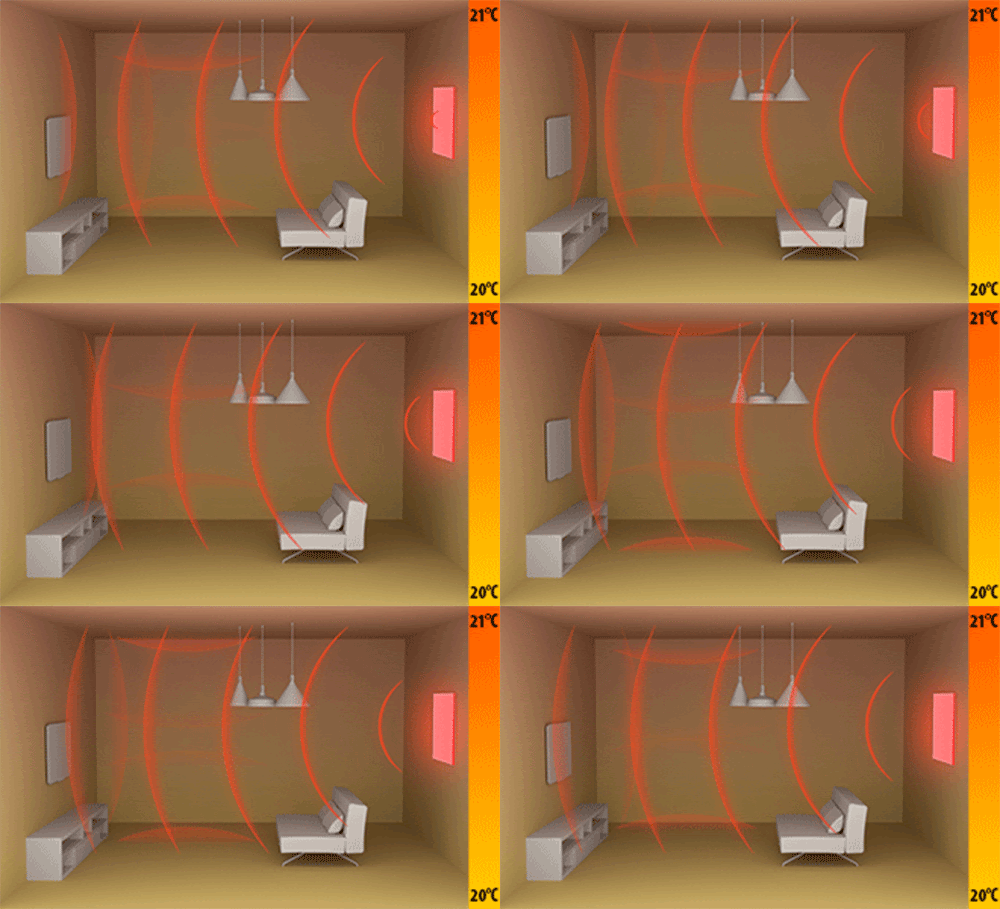
- Instant warmth with no preheating required
- Energy savings by focusing only on occupied zones
- Minimal heat loss from drafts or open doors
Infrared ceramic heaters are ideal in warehouses, workshops, outdoor seating, and semi-open spaces where air-based heating is wasteful.
➡️ Explore our specialized Ceramic Radiant Heaters to see how this technology is applied in commercial settings.
Heating People, Not Spaces: The Efficiency Mindset Shift
Traditional systems heat the environment. But radiant systems focus on human-centric heating. This not only cuts energy costs but also improves user comfort.
Considerations for B2B Buyers:
- Does the space have high ceilings or poor insulation?
- Are occupants stationary or mobile?
- Is full-space heating necessary, or would zoned heating suffice?
For open-air or semi-outdoor installations, see our article on Outdoor Heater Winter Performance.
Pros & Cons: Radiant vs. Convection Heating
| Feature | Radiant Heating | Convection Heating |
|---|---|---|
| Heating Method | Direct to objects/people | Indirect via air |
| Speed | Fast (almost instant) | Slow |
| Efficiency | High in open/semi-open areas | Low in large open spaces |
| Air Quality Impact | Neutral | May dry air or stir dust |
| Ideal Use | Warehouses, patios, outdoor work | Offices, homes, enclosed rooms |
🔗 Compare more options in our Heater Types Comparison Guide.
Real-World Applications of Heat Transfer Principles
Heating a logistics warehouse in winter or keeping a terrace café warm through fall requires more than just raw power. It requires smart design.
Consider:
- Zoned radiant heaters for energy savings
- Strategic placement near workstations or customer areas
- Compliance with safety & distance regulations — see our guide on Safe Distances for Patio Heaters
What B2B Buyers Should Look For
When choosing heating systems based on heat transfer principles, prioritize:
- Energy efficiency certifications
- Fuel type & operating costs
- Installation flexibility
- Heating speed & targeting precision
✅ Browse our Best Heaters for Business to get personalized insights.
📬 Have questions about finding the right heater? Contact our team for tailored B2B advice.
Final Thoughts
Understanding heat transfer principles empowers B2B decision-makers to make smarter heating investments. In today’s energy-conscious market, heating people—not places—is the key to comfort and efficiency.
Explore our full range of ceramic radiant heaters or get in touch to find tailored solutions for your customer base.
FAQs
What are heat transfer principles in heating?
Heat transfer principles refer to how thermal energy moves—mainly through conduction, convection, and radiation. Heating systems use these to deliver warmth efficiently.
Why is radiant heating more efficient?
Radiant heating targets people and objects directly, minimizing energy wasted on heating air—especially in large or open spaces.
Is convection heating still useful?
Yes, convection is suitable for small, enclosed spaces but less ideal for large or drafty areas.
Which type of heater is best for warehouses?
Ceramic infrared heaters are often the best option due to fast, direct heat and energy efficiency.
How do I choose the right heater for my business?
Assess space size, occupancy patterns, insulation, and fuel type. See our Business Heater Guide.