
Where Should You Place Patio Heaters?
You should place patio heaters in open, ventilated areas with at least 1–2 meters clearance from walls, ceilings, and combustible materials. Position heaters above seated areas or angled toward gathering zones for maximum comfort, while ensuring compliance with fire safety regulations.
Why Placement Matters
Placing your patio heater correctly ensures:
- Efficient heat distribution — warmth reaches the people, not just the air.
- Safety — reduces fire hazards and prevents overheating.
- Energy savings — less wasted fuel or electricity.
- Comfort — evenly heated spaces for guests, staff, or customers.
Poor placement leads to cold spots, wasted energy, and potential risks.
General Placement Rules for Patio Heaters
- Maintain Safe Clearance
- Minimum 1 m side clearance
- Minimum 2 m overhead clearance
- Away from awnings, curtains, umbrellas, or low ceilings
- Focus on People, Not Empty Space
- Place heaters above seating areas or angled toward tables
- Avoid corners where heat escapes
- Mind the Wind
- Shield heaters from direct wind to prevent heat loss
- Use natural barriers (walls, glass panels) while maintaining ventilation
- Use Multiple Units for Large Areas
- Several smaller heaters work better than one oversized unit
- Creates even coverage without overheating one spot
Electric vs Gas Patio Heater Placement
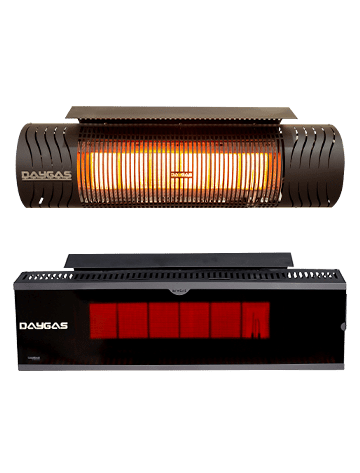
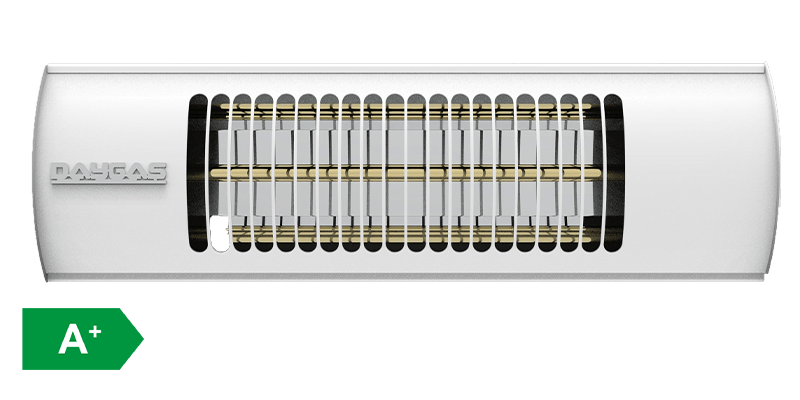
Solis Electric Heaters (IP67 Weatherproof)
- Best mounted on walls or ceilings
- Suitable for semi-open patios exposed to occasional rain
- Provide directional radiant heat — focus on dining or seating zones
DSR Ceramic Radiant Heaters
- Ideal for larger, commercial terraces
- Mounted at higher elevations (2.5–4 m)
- Perfect for restaurants, hotels, and industrial outdoor spaces needing high-capacity heat
💡 Tip: Electric Solis models are excellent for home patios; DSR ceramic heaters are designed for heavy-duty professional use.Safety Considerations
- Never place heaters under low ceilings or enclosed tents without proper ventilation
- Check local regulations on outdoor heater use (fire codes, gas rules)
- Install stable mounts or weighted bases to prevent tipping
- Use certified equipment only (CE-certified, safety-tested models)
For more, see our guide on Safe Distances for Patio Heaters.Best Spots to Place Patio Heaters
Maintenance Tips for Longevity
- Electric (Solis): Wipe clean, check wiring, ensure IP67 seals are intact
- Ceramic (DSR): Inspect burners, clean ceramic plates, check gas connections
- Store or cover freestanding heaters in harsh weather to extend life
See our Maintenance Guide for more tips.
Conclusion
Correct placement of patio heaters maximizes comfort, safety, and efficiency. Whether you’re heating a private garden with Solis IP67 electric models or a large commercial terrace with DSR ceramic heaters, Daygas provides tailored solutions.
👉 Contact us at info@daygas.eu to plan your heating setup or explore our Patio Heater Solutions.
External Safety & Regulation References
FAQs
Can I put a patio heater under a pergola?
Yes, but only if the pergola has enough clearance and ventilation.
Do electric patio heaters need ventilation?
No, but they must still be kept clear of combustible materials.
How many patio heaters do I need?
Typically one heater covers 10–15 m², but it depends on the model and placement.