
Outdoor living spaces are no longer a luxury—they’re a lifestyle standard. Whether it’s hosting friends on a backyard deck or keeping café customers warm, patio heaters have become essential in many U.S. homes and businesses. But one question continues to surface: How much should a patio heater cost in the U.S.?
This detailed guide walks you through real patio heater cost ranges by fuel type, features, and use cases, so you can make an informed purchase—whether you’re buying for home comfort or commercial needs.
What Influences Patio Heater Cost?
Several factors shape the total patio heater cost:

- Fuel type (propane, electric, or natural gas)
- Design (freestanding, wall-mounted, tabletop)
- Power output (measured in BTUs or kW)
- Build quality and material (steel, aluminum, powder-coated)
- Control system (manual, remote, smart-enabled)
- Weather resistance and certifications (UL, CSA, CE)
Each of these elements affects not only the upfront price, but also operating costs, maintenance needs, and long-term value.
Average Patio Heater Cost by Type
⚡ Electric Patio Heaters
Electric heaters are clean, quiet, and ideal for semi-enclosed spaces or covered patios where air circulation may be limited.
| Type | Price Range (USD) | Ideal For |
|---|---|---|
| Infrared Premium Models | $100 – $400 | Home patios, cafés, balconies, courtyards |
| Infrared Premium Models | $600 – $1,000+ | Hospitality, upscale homes |

Premium Example: The Solis electric heater by Daygas comes in 2000W and 4000W models, featuring advanced infrared heating and sleek design—ideal for customers who prioritize aesthetics and efficiency.
🔗 Natural Gas Patio Heaters
These models are best suited for permanent outdoor setups and typically require professional installation with a fixed natural gas line.
| Type | Price Range (USD) | Best For |
|---|---|---|
| Ceramic radiant heaters | $400 – $1000 | Homes, cafés, terraces |
| Gas Unit Heaters | $1,300 – $2,800+ | Closed/ Semi-open places |
| Radiant Tube Heater | $1,000 – $1,600+ | Factories, Cafés, Greenhouses |
While Daygas doesn’t sell natural gas units as a standard option, our DSR ceramic heaters can be configured for fixed-use gas line connections for large-scale or custom commercial projects.
What Do You Get at Each Price Point?
| Price Bracket | What You Can Expect |
|---|---|
| Under $150 | Basic safety, compact size, limited weatherproofing |
| $150–$500 | Stronger build, higher BTUs, branded options, waterproof |
| $500–$1,000 | Wall-mount kits, digital controls, better durability |
| $1,000+ | Commercial-grade features, smart thermostats, certifications |
Operating Costs: Fuel Efficiency vs. Heat Output
When evaluating patio heater cost, consider ongoing fuel consumption and energy usage.
| Fuel Type | Estimated Hourly Cost (USD) | Notes |
|---|---|---|
| Propane | $1.50 – $2.50 | 1 gallon lasts ~3–5 hours |
| Electric | $0.20 – $0.60 | Based on 2–4 kW models like Solis |
| Natural Gas | $0.60 – $1.00 | Lowest per hour but fixed install |
Electric models such as Solis offer ultra-low operational costs, especially when powered by renewable energy. They’re also maintenance-free and quiet great for residential areas and indoor/outdoor cafés.
Is Paying More Worth It?
In short—yes. Investing more often means getting longer-lasting materials, better safety features, and modern conveniences.
High-end heaters like the DSR LCD or Solis models by Daygas offer:
- Extended multi-year warranties
- CE and EMC certifications
- IP-rated weatherproof design
- Optional remote or smart control features
These features lower total cost of ownership and ensure better reliability in colder climates or commercial environments.
U.S. Patio Heater Cost Summary
The right patio heater doesn’t just keep people warm it enhances your lifestyle or supports your business operations. Whether you’re buying a $120 tabletop unit or investing in a $2,000 commercial heater, it’s all about balancing patio heater cost with real-world performance, durability, and design.

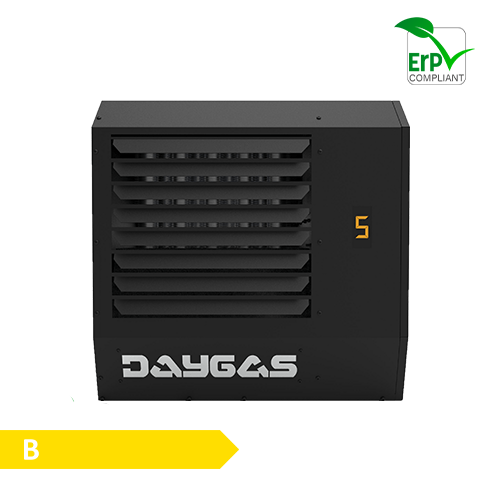

If you’re looking for long-term quality and professional-grade performance, Daygas heaters like Lodos, DSR Premium, and DSR LCD offer reliable options that are now available for U.S. buyers. All are compatible with propane and optimized for energy efficiency.