
Why Heating Workplace Productivity Matters More Than You Think
Maintaining comfortable temperatures isn’t just about employee satisfaction—it directly impacts workplace productivity. In industrial facilities, warehouses, and even large commercial offices, poor heating often leads to discomfort, reduced focus, and even increased absenteeism.
While most businesses focus on lighting, ergonomics, or ventilation, efficient heating solutions are sometimes overlooked as a productivity driver. But the connection is clear: comfortable workers are productive workers.
A report from the U.S. Occupational Health & Safety Administration (OSHA) highlights that indoor temperature management is crucial for both employee comfort and health, especially during colder months (source).
In this guide, we’ll explore how choosing the right commercial heating system can enhance working conditions and support operational goals.

The Link Between Heating and Workplace Productivity
Why Temperature Affects Focus and Efficiency
Cold working environments are known to slow down physical tasks, reduce cognitive sharpness, and increase employee dissatisfaction. According to the American Society of Heating, Refrigerating, and Air-Conditioning Engineers (ASHRAE), optimal workplace temperatures generally fall between 19°C and 22°C for industrial spaces.
If temperatures drop too low:
- Workers may take more breaks to warm up.
- Manual dexterity declines.
- Health risks like cold stress increase.
The result? Lower output and higher operational costs.
Choosing the Right Heating System: A Strategic Investment
Efficient heating isn’t just a comfort tool—it’s a productivity enabler. To maximize output, facility managers should carefully evaluate their heating workplace productivity strategy, especially in large or open-plan spaces.
Radiant Tube Heaters for Large Warehouses
Radiant tube heaters work by emitting infrared radiation that heats people and objects directly rather than the surrounding air. This minimizes energy loss, especially in large, open spaces with high ceilings where warm air tends to rise.

Radium Radiant Tube Heaters deliver infrared warmth directly to work zones without wasting energy heating the air. This radiant approach prevents heat from simply rising and escaping in high-ceiling spaces.
Where they work best: Logistics hubs, aircraft hangars, expansive production floors.
Gas Unit Heaters for Fast, Even Heat Distribution
Gas unit heaters use forced air to rapidly warm large spaces, circulating heated air efficiently. They’re ideal for environments requiring quick temperature changes or multi-zone coverage.
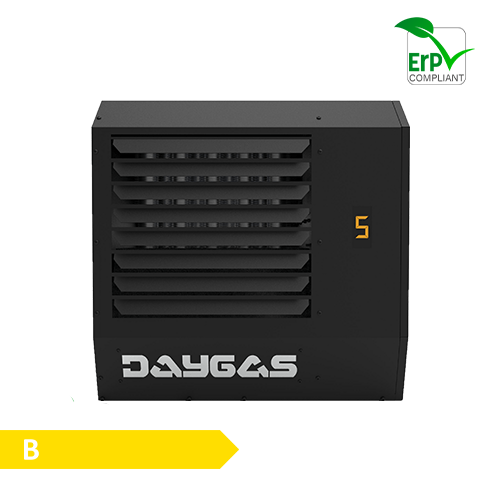
Lodos Gas Unit Heaters are designed to quickly warm large, dynamic spaces. They distribute warm air efficiently, helping maintain employee comfort even in draft-prone areas.
Ideal for: Factories, workshops, maintenance garages.
Ceramic Radiant Heaters for Targeted Comfort
Ceramic radiant heaters produce high-intensity infrared heat, ideal for focused spot heating in environments where employees work in stationary positions for long periods.

Our DSR Ceramic Radiant Heaters provide focused heating—perfect for static workstations or segmented areas. By keeping employees warm exactly where they work, they prevent energy waste.
Best for: Restaurants, Hotels, Cafes, Terraces etc.
Electric Heaters for Smaller Commercial Spaces
Electric heaters are practical in spaces where gas installations are restricted. Offering silent operation and flexibility, they’re well-suited for small offices or customer-facing areas.

Solis Electric Heaters offer a silent, clean, fast warmth heating option without combustion, making them ideal for indoor-outdoor crossover spaces.
Best used in: Office entrances, checkouts, or supplementary heat zones.
Maximizing Comfort While Reducing Costs
Optimizing your heating strategy doesn’t always mean buying larger or more expensive systems. Focus on:
- Zoning: Heat workstations rather than entire buildings using radiant heaters.
- Automation: Pair systems with smart Control Units to adjust heating based on occupancy or shift patterns.
- Routine Maintenance: Keep systems running efficiently with regular upkeep. Accessories like thermostats and sensors can further enhance control.
For deeper planning tips, visit Early Planning for Heating Solutions.
Why Workplace Heating Affects Your Bottom Line
Investing in workplace heating yields measurable ROI:
- Fewer sick days: Staff working in comfortable conditions are less prone to cold-related illnesses.
- Improved morale: Comfortable employees are more engaged and loyal.
- Better performance: Warm, focused staff work faster and make fewer mistakes.
- Energy savings: Modern systems like Radium and DSR models minimize wasted heat.
According to data from ASHRAE, businesses optimizing HVAC systems report 10–25% productivity improvements alongside energy savings.
Mistakes to Avoid
- Relying solely on air heaters in spaces with poor insulation.
- Overheating low-traffic areas without zoning.
- Using outdated systems that waste energy and offer poor control.
Need guidance? Our Best Heater for Business blog can help.
Automation and Energy Efficiency: A Hidden Productivity Boost

Adding Control Units and smart thermostats to heating setups ensures precise temperature management. Real-time adjustments based on occupancy and external temperatures keep workers consistently comfortable without manual intervention.
For further optimization tips, explore Energy Efficiency in Heaters.
Real-World Examples: Heating for Operational Excellence
- Manufacturing Plants: Ceramic radiant heating reduced downtime in one facility due to fewer cold-related equipment slowdowns.
- Distribution Warehouses: Switching from older air blowers to radiant tube heaters lowered energy costs and improved employee focus during peak logistics periods.
- Office Buildings: Incorporating electric heaters in entrance zones prevented cold drafts from affecting office workers, indirectly improving output.
While exact statistics vary, studies consistently show that temperature comfort can improve productivity by up to 10% (source).
Safety, Compliance, and Maintenance Considerations
Always prioritize:
- CE-certified heating equipment (read why).
- Adequate ventilation and emission control, particularly for gas heaters.
- Regular maintenance of heating units to prevent downtime.
Don’t neglect safety: explore Waste Gas Sets to ensure gas systems meet EU emission standards.
Takeaways: Why Heating Workplace Productivity Should Be Your Priority
Efficient heating systems aren’t a luxury—they’re a business investment. By ensuring your employees work in thermally comfortable environments, you:
- Increase focus and productivity.
- Reduce absenteeism.
- Enhance overall operational efficiency.
Choosing the right commercial heating solution matters. Whether that’s radiant tube heaters in your distribution center or electric heaters in customer-facing zones, every degree counts toward better performance.
Not sure which system suits your facility? Contact Daygas for expert consultation.