
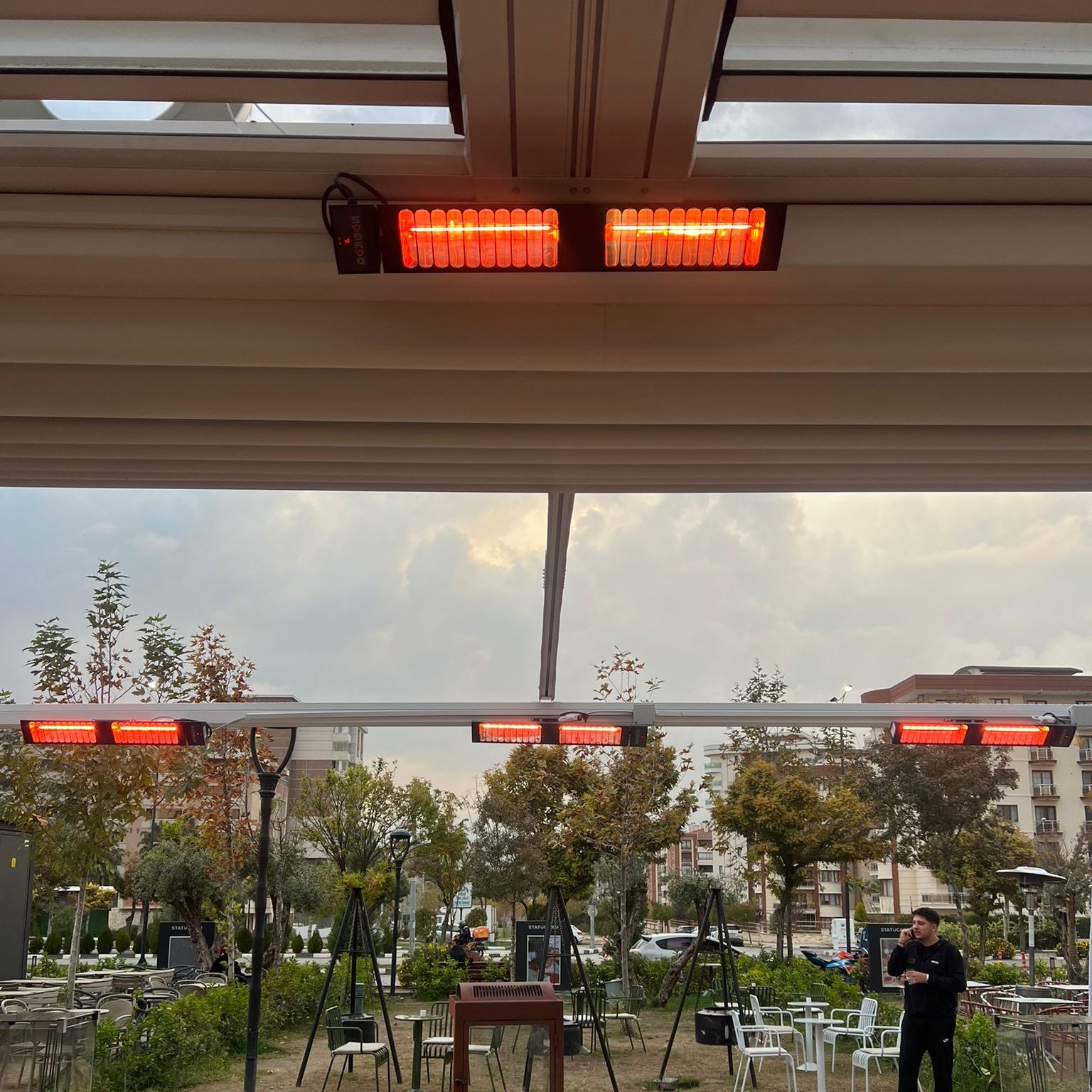
Outdoor living spaces have become an essential part of modern homes. Whether it’s relaxing on cool autumn evenings or hosting friends in winter, a patio can be a year-round comfort zone.
But here’s the challenge: heating your patio can get expensive if you don’t choose the right system.
So, what’s the cheapest way to heat your patio without sacrificing warmth or comfort?
This guide breaks down the most affordable heating options, with clear comparisons and money-saving tips to help you make the best choice for your space.
What Defines the Cheapest Way to Heat Your Patio?
“Cheap” isn’t just about the price tag. The true cost of outdoor heating depends on several factors:
- Upfront Cost – The price you pay to purchase and install the heater.
- Operating Costs – How much it costs to run the heater per hour or per season.
- Maintenance – Cleaning, servicing, and potential replacement parts.
- Size of the Patio – Larger spaces require more powerful heaters, impacting energy use.
- Usage Frequency – Occasional use vs daily heating changes the overall expense.
- Climate – Colder regions naturally increase heating demands.
Cheapest Patio Heating Options Compared
When looking for the most cost-effective outdoor heating solution, three main options dominate the market: electric, gas, and wood-burning.
| Heating Option | Upfront Cost | Operating Cost | Maintenance | Best For |
|---|---|---|---|---|
| Electric Patio Heaters (Solis) | Low | Low (energy-efficient) | Very Low | Small to medium patios |
| Gas Patio Heaters | Moderate | Moderate-High | Low-Moderate | Large, open patios |
| Fire Pits / Wood Burners | Low-Moderate | High (wood costs) | High (cleaning ash, smoke) | Ambiance-focused areas |
Electric Patio Heaters – The Cheapest Way to Heat Small Patios

If your patio is compact, an electric patio heater is hands down the most affordable solution.
Why choose electric heaters like the Daygas Solis?
- Low upfront price – Easy to install with no complex piping.
- Minimal running costs – Especially efficient when heating only occupied zones.
- No maintenance headaches – No fuel lines, burners, or frequent servicing.
- Instant warmth – Heats up quickly, perfect for quick evening use.
Pro Tip: The Daygas Solis series, with IP67 weatherproofing, is designed for year-round outdoor use without costly repairs or replacements.
Gas Patio Heaters – Affordable for Larger Patios
For bigger spaces, like restaurant terraces or family gathering areas, gas heaters are a strong contender.
They offer high heat output, covering larger areas quickly.
- Advantages:
- Powerful, reliable heat for open patios.
- Works well even in colder climates.
- Flexible positioning – no need for electrical outlets.
- Considerations:
- Higher running cost compared to electric heaters.
- Requires proper ventilation and safe placement.
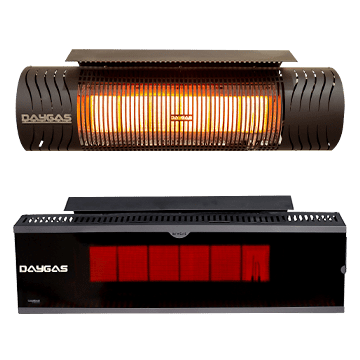
For commercial users or frequent entertainers, Daygas gas Ceramic patio heaters provide the balance between affordability and performance.
Fire Pits & Wood Burners – Cozy but Not the Cheapest
While fire pits create a cozy atmosphere, they’re not the most economical choice:
- Ongoing fuel costs (wood, pellets) add up over time.
- Requires constant cleaning and smoke management.
- Less efficient for actual heating—best for ambiance rather than practicality.
Why Solis Electric Heaters Are the Cheapest Way to Heat Your Patio
The Daygas Solis series stands out as a long-term, affordable heating investment.
Key savings advantages:
- Durability: IP67-rated weatherproof design withstands rain, snow, and dust.
- Efficiency: Direct infrared heat means zero energy wasted on warming the air.
- Low Maintenance: No moving parts, no fuel systems—just reliable, consistent warmth.
- Year-Round Use: Leave it installed outdoors without seasonal storage hassle.
By combining low operating costs with a long lifespan, Solis heaters provide the lowest total cost of ownership.
Energy-Saving Tips to Keep Patio Heating Cheap

Even the cheapest heater can cost more if used inefficiently.
Here’s how to maximize your savings:
- Only Heat Occupied Areas
Use zone heating to focus warmth where people are sitting. - Install Timers or Smart Controls
Avoid wasting energy by automatically turning heaters off when not needed.
Related blog: Early Planning for Heating Solutions - Use Covers and Windbreaks
Block cold winds to reduce heat loss. - Choose the Right Heater Size
Overpowered units burn unnecessary energy; undersized units struggle to keep up.
Gas Patio Heaters – When They’re Still a Cheap Choice
Gas heaters are worth considering if:
- Your patio is large or fully open.
- You host frequent gatherings or run a semi-commercial space.
- You need strong, fast heat output in colder climates.
While they have slightly higher running costs, Daygas gas models balance power and affordability, making them ideal for bigger setups where electric heaters may fall short.
Final Thoughts – Finding the Cheapest Way to Heat Your Patio
When it comes to affordable patio heating:
- Electric heaters like Daygas Solis are the best budget choice for small to medium patios.
- Gas heaters are ideal for larger areas or colder climates where higher output is needed.
- Fire pits are great for ambiance but not efficient for serious heating needs.
With the right choice and smart usage habits, you can enjoy a warm patio without draining your wallet.
Ready to find the cheapest way to heat your patio?
Explore the Daygas Solis range for weatherproof, budget-friendly heating that lasts through every season.
FAQ – Cheapest Patio Heating Solutions
1. What’s the cheapest way to heat your patio in winter?
Electric infrared heaters like Daygas Solis offer the lowest running costs for small spaces.
2. Are electric patio heaters cheaper to run than gas?
Yes. Electric heaters are generally more efficient and have lower operating costs, especially for occasional use.
3. What’s the most energy-efficient patio heater?
Infrared ceramic or electric heaters are the most energy-efficient because they heat people directly, not the air.
4. How much does a patio heater cost to run per hour?
Costs vary by type and local energy prices. On average:
– Electric: €0.20–€0.40/hour
-Gas: €0.50–€1.00/hour