
Why Heating a Warehouse Requires a Specialized Approach
When facility managers ask, “What’s the best way to heat a warehouse?”, the answer depends on more than just temperature. It hinges on efficiency, structure, layout, and long-term cost. The best way to heat a warehouse is to apply a solution tailored to the building’s specific dimensions, energy availability, ceiling height, and usage patterns. Warehouses present unique heating challenges due to their size, high ceilings, and limited insulation. Unlike retail or office spaces, they experience regular air exchange through large doors and open bays. These factors make standard HVAC units or portable space heaters inefficient and expensive to operate.
The best way to heat a warehouse is by using systems specifically designed to handle these industrial-scale conditions while minimizing energy loss.
Top Heating Options for Warehouses
In fact, choosing the best way to heat a warehouse means thinking beyond standard heating systems. Conventional HVAC units often waste energy by trying to heat massive volumes of air. Instead, warehouse operators are turning to targeted systems like radiant tube heaters or gas unit heaters. Which deliver precise heat where it’s needed most. Without warming unused air pockets.
If your business operates a large industrial space with high ceilings and open doors, the best way to heat your warehouse is with a radiant heating system. A one that warms people, equipment, and surfaces directly. This avoids the constant cycle of heating and reheating air, which is both inefficient and costly.
For smaller or more enclosed facilities, the best way to heat a warehouse might involve a combination of gas unit heaters and zoned electric panels. Especially if you’re integrating renewable energy or aiming for carbon-neutral operations.
Radiant Tube Heaters
How they work:
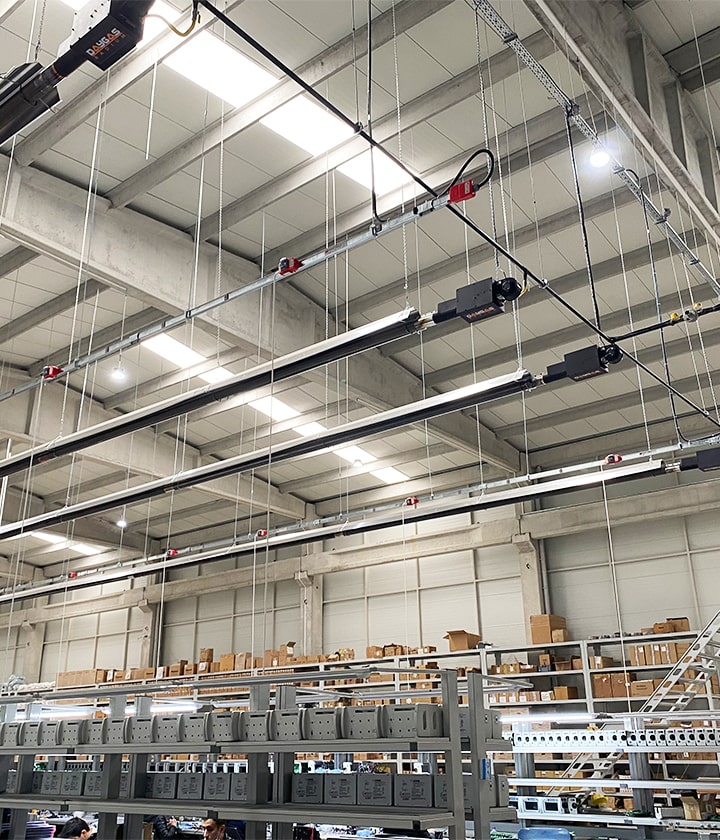
Radiant tube heaters emit infrared heat, which warms people, equipment, and surfaces directly—without wasting energy on heating air that will quickly rise or escape.
Best for:
- High-ceilinged spaces
- Open-floor warehouses
- Large distribution centers
Benefits:
- Energy-efficient, even in drafty environments
- Uniform heating over wide zones
- Low maintenance and long lifespan
Explore Radiant Tube Heaters →
Gas Unit Heaters
How they work:
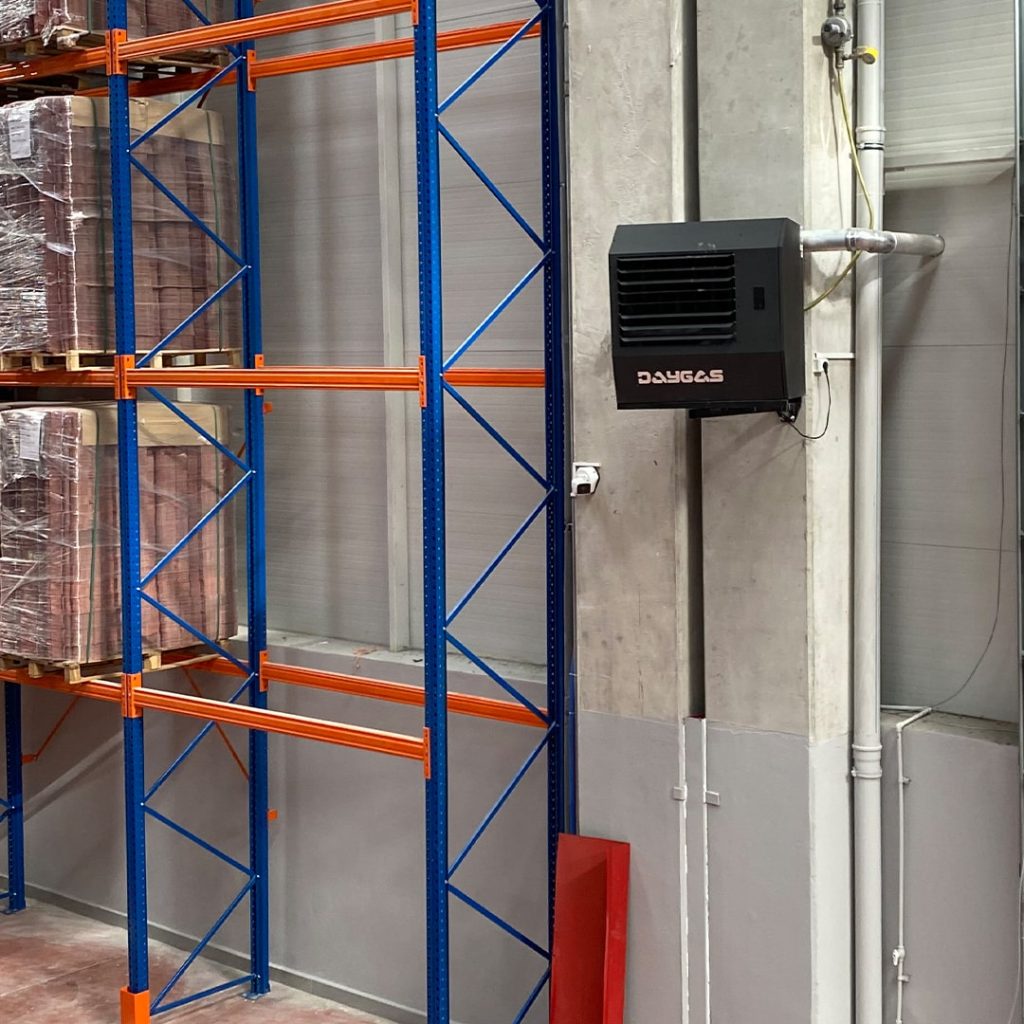
These heaters use natural gas or LPG to heat air and distribute it throughout the space using a blower.
Best for:
- Enclosed, well-ventilated warehouses
- Facilities requiring fast temperature recovery
- Medium to large spaces with consistent activity
Benefits:
- High heat output
- Fast response time
- Reliable performance during peak hours
Ceramic Radiant Heaters
How they work:
These use ceramic plates to radiate infrared heat, ideal for spot heating specific work zones or loading areas.

Best for:
- Workstations and packaging lines
- Loading docks and semi-open zones
- Facilities with high operational turnover
Benefits:
- Focused, task-oriented heating
- Easy installation
- Energy-saving on localized heating
Discover DSR Ceramic Heaters →
Electric Heaters
How they work:
Electric infrared or convection-based units heat smaller enclosed spaces and are compatible with renewable power sources.
Best for:
- Small warehouse offices
- Equipment rooms
- Green energy-focused facilities
Benefits:
- Zero on-site emissions
- Simple to install and control
- Ideal for supplemental heating
Factors to Consider When Choosing a Warehouse Heater
Space Layout and Ceiling Height
Warehouses with high ceilings benefit from radiant heating, which avoids energy loss due to rising hot air. Zone heating is also effective for unevenly used spaces.
Insulation and Ventilation
Poor insulation or frequent door activity demands heaters that deliver direct heat without relying on warmed air circulation. Radiant and ceramic heaters excel in these conditions.
Energy Efficiency and Long-Term Cost
While some systems have a higher upfront cost, energy-efficient units like radiant tube heaters can significantly reduce long-term fuel or electricity bills.
Fuel Availability
Natural gas, LPG, and electricity all have pros and cons. Your choice may depend on infrastructure, cost, and emissions goals.
Benefits of Efficient Warehouse Heating
| Benefit | Description |
|---|---|
| Lower Energy Costs | Efficient systems reduce fuel/electricity waste |
| Consistent Comfort | Stable temps improve worker productivity |
| Equipment Protection | Heat prevents condensation and corrosion |
| Regulatory Compliance | CE-certified products meet safety and eco standards |
Find the Best Way to Heat Your Warehouse with DAYGAS
Don’t let inefficient heating drag down your facility’s performance. At DAYGAS, we specialize in helping businesses find the best way to heat a warehouse with systems built for industrial durability, energy savings, and year-round comfort.
Here’s why businesses across Europe and the Balkans choose us:
- Custom heating layouts tailored to your warehouse size and layout
- CE-certified equipment that meets European safety and energy regulations
- Long-lasting, high-efficiency heaters built for heavy-duty use
- Dedicated consultation and support throughout the selection and installation process
- Product variety including radiant tube, gas unit, ceramic radiant, and electric heaters to suit every environment and energy requirement
Whether you’re outfitting a new facility or upgrading an old system, our team is here to guide you from selection to setup.
📩 Contact us today at info@daygas.eu or
🌐 Visit www.daygas.eu to explore our full warehouse heating range.
Related Resources
How to Reduce Heating Costs in Large Spaces
Gas Radiant Heaters vs. Other Heating Systems
Advantages of Radiant Heating for Businesses
Radiant Heater Types & How to Choose the Right One
U.S. Energy Information Administration – Warehouse Heating Efficiency
European Commission – Energy Efficiency in Buildings
ASHRAE – Industrial Heating Guidelines
Frequently Asked Questions
What’s the most efficient way to heat a warehouse?
Radiant tube heaters are typically the most efficient for large, high-ceilinged spaces due to their targeted heating and minimal energy loss.
Can I use electric heaters in a warehouse?
Yes, but they’re most effective for small zones or when paired with renewable energy. For large spaces, gas or radiant systems are better.
How do I know how many heaters I need?
It depends on warehouse size, layout, insulation, and usage. Contact DAYGAS for a free consultation and heating design recommendation.
Is CE certification important?
Absolutely. All DAYGAS products are CE-certified, ensuring safety, compliance, and performance in industrial settings.
Can heaters be installed in working warehouses?
Yes. Most DAYGAS systems can be installed with minimal disruption to your operations.